Skip to content

Infiltration is not someone else’s job. It starts with you.

Imported water travels hundreds of miles at great cost. Yet storm drains here flush away the water we already own.

When you help rain soak in, you become part of the water system — a living recharge station under your feet.
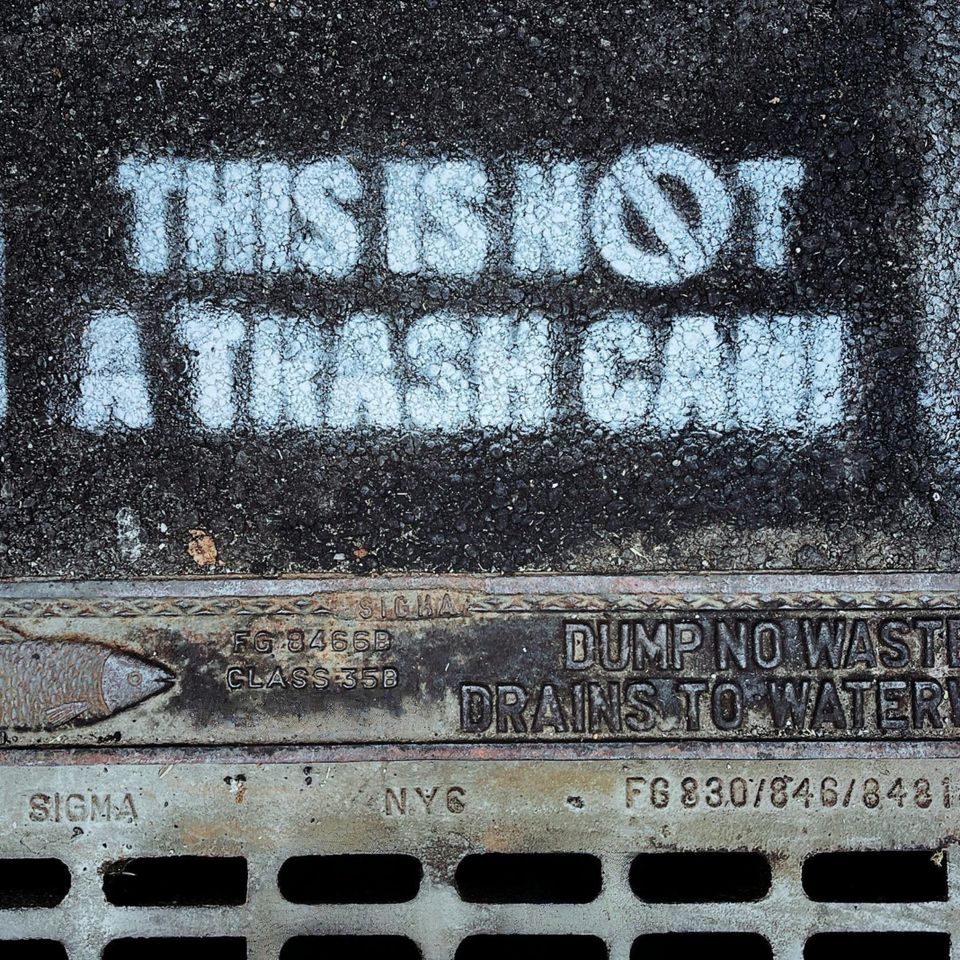
No trash stormdrain fotor 20251109

The Situation: Southern California is built to move rain away, not hold it.


Our roads, roofs, and storm drains form an enormous fast-draining machine. Every major storm rushes millions of gallons of fresh water — water we desperately need — straight into the ocean.

We live in a desert region pretending to be a rainforest.  Our imported water travels hundreds of miles at great cost, while local rainfall disappears in hours.


The Problem: We’re draining away our future.


When rain races across pavement, it:
  • Misses the soil that could have absorbed and stored it.
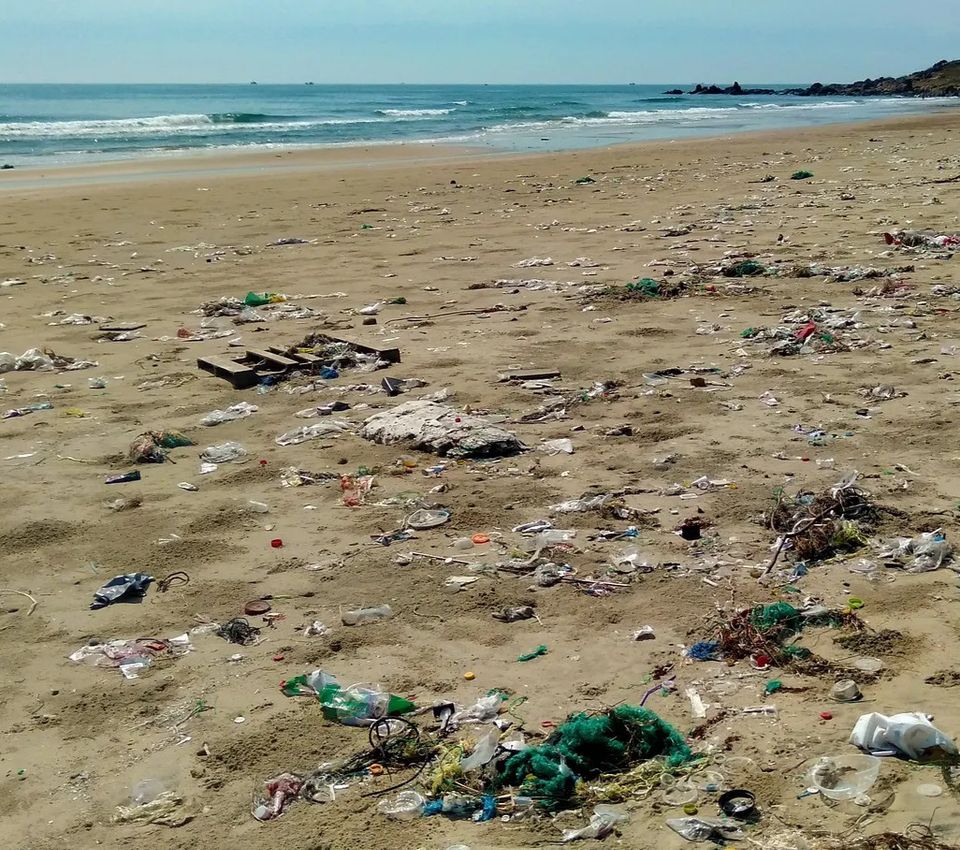
  • Carries pollutants--oil, trash, fertilizers-- into creeks and beaches.
  • Erodes streambeds and damages habitat.
  • Increases flooding in low-lying neighborhoods.
  • Depletes groundwater, forcing cities to rely even more on imported water.

In short: every gallon we lose today is a gallon we’ll pay to replace tomorrow.
Image

The Urgency: Southern California faces two extremes at once — drought and flooding.


Long dry periods bake the soil; then sudden downpours overwhelm our storm drains.

Climate projections show:
  • More intense rain events (higher flood risk).
  • Longer dry periods (lower groundwater recovery).
  • Higher costs to maintain imported water systems.
  • Worsening pollution from concentrated runoff.

If we do nothing, the result is predictable:
  • Flash floods and polluted beaches during storms
  • Rising water bills and shrinking reserves
  • Dead trees and dry wells during droughts
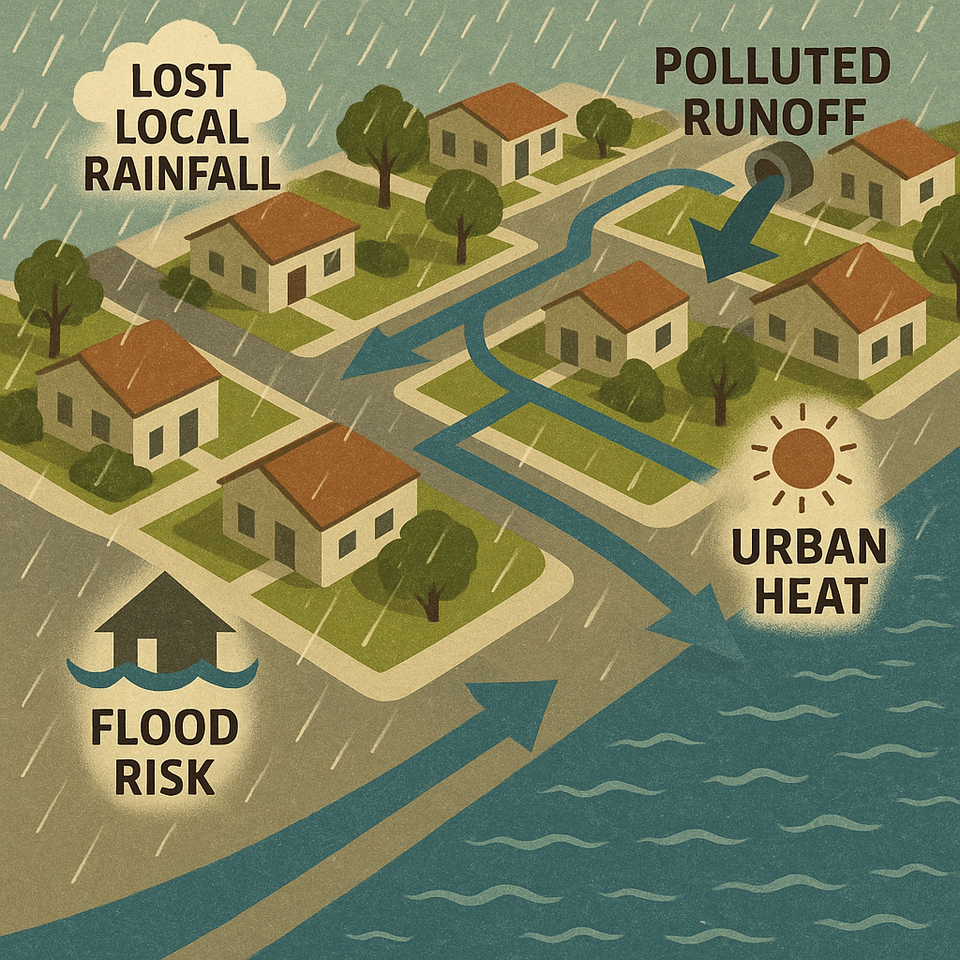
Lost rainfall

The Costs and Dangers of Doing Nothing

Impact: Lost local rainfall
Visible Result: Billions of gallons wasted each year
Who Pays: Every ratepayer

Impact: Polluted runoff
Visible Result: Beach closures, algae blooms, wildlife loss
Who Pays: Tourism, public health

Impact: Groundwater decline
Visible Result: Land subsidence, saltwater intrusion
Who Pays: Property owners, farmers

Impact: Flood risk
Visible Result: Street flooding, infrastructure damage
Who Pays: Cities, homeowners

Impact: Urban heat
Visible Result: Fewer healthy trees, hotter streets
Who Pays: Communities, seniors


Doing nothing is expensive.
Every storm we waste is a missed deposit in our underground savings account.
Bulldozer gaf09f68f3 1920

After Fire and Earth Movement, Doing Nothing Is Dangerous

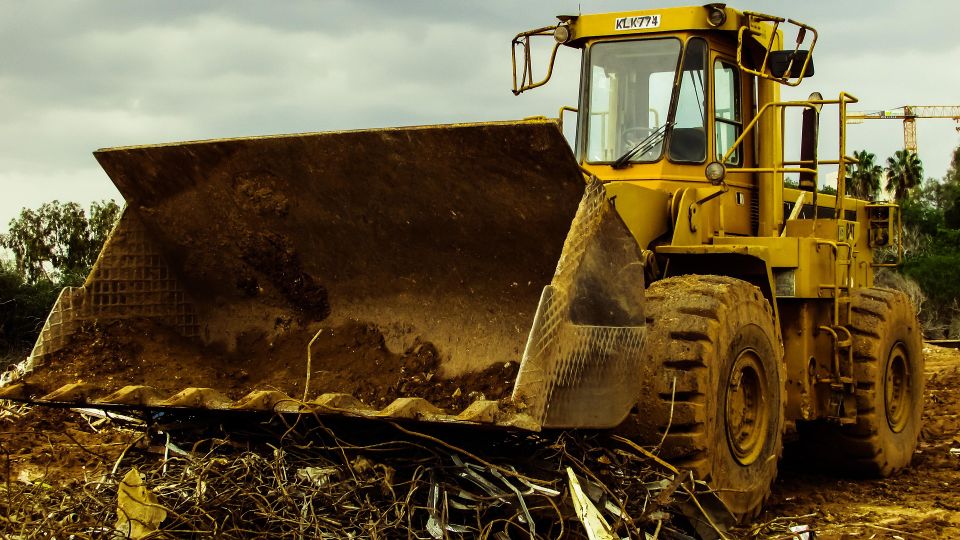
Wildfires, earthquakes, and emergency debris removal change how land behaves during storms.

Roots are gone. Soils repel water. Channels clog. Streets become canyons.

When heavy rain arrives, doing nothing guarantees failure.

That is why post-fire storm safety depends on:

 
  • Sacrificial conveyance
    Allowing designated streets or corridors to carry water intentionally so homes and infrastructure are protected

  • Controlled overtopping
    Planning where water will overflow when drains clog, instead of letting it choose destructive paths

  • Temporary surface routing
    Guiding stormwater across disturbed ground and pavement until it can safely re-enter storm drains or channels

These are not alternatives to infiltration. They are the emergency measures that make long-term infiltration restoration possible.

This matters most across the Los Angeles River watershed, including areas such as Altadena and Pasadena below fire-affected foothill slopes, and Pacific Palisades, where past fires and steep coastal terrain increase the risk of debris-laden runoff during major storms.

Learn more about watershed-scale impacts and recovery at Los Angeles River Restoration ICU.

Doing nothing is expensive.
Doing the wrong thing is worse.
Doing the right temporary thing protects lives today and restores water tomorrow.
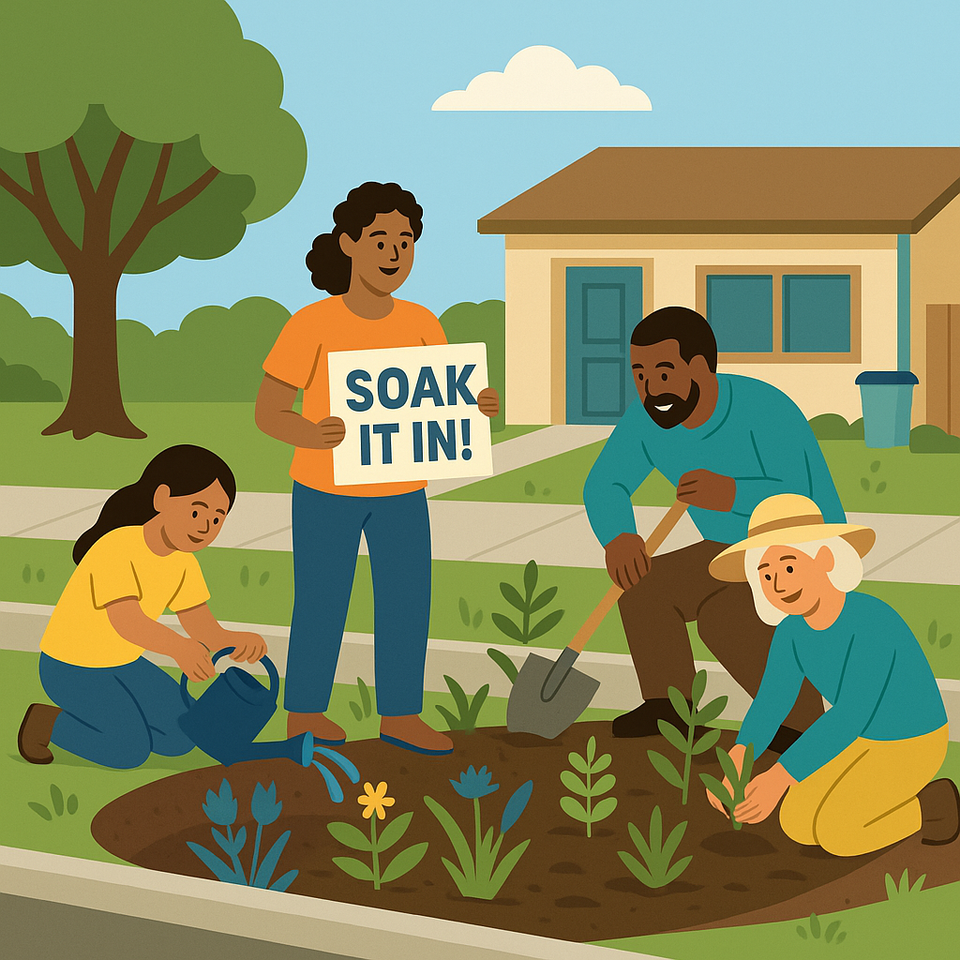
Soak it in

The Hope: What a Few Caring People Can Do

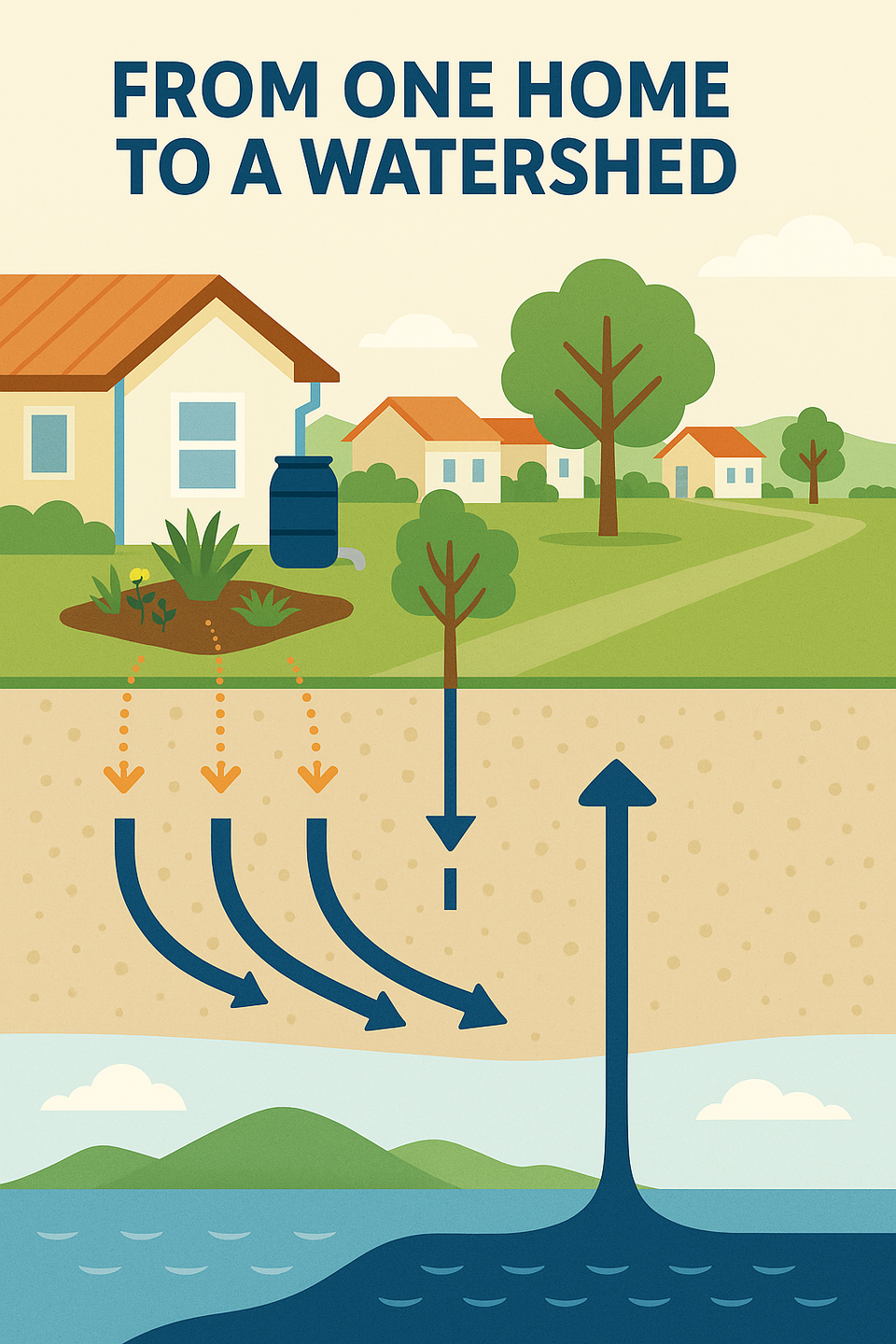
We don’t need to rebuild the entire system overnight. We just need to slow the rain — one property, one street, one park at a time.

Small local actions multiplied across neighborhoods can:
  • Recharge aquifers beneath our feet.
  • Reduce flooding during major storms.
  • Filter pollutants naturally through soil and roots.
  • Strengthen tree canopies and cool urban heat islands.
  • Restore streamflow in dry riverbeds.

The difference between waste and renewal is how long we hold the rain.
From home to watershed

The Immediate Impact: What Can Change This Season


If just 1 in 10 households in a single watershed:
  • Installed one 55-gallon rain barrel,
  • Added one 10’x10’ infiltration area, or
  • Directed a single downspout into a planted basin —

Together they could capture over 10 million gallons of water in one rainy season.  That’s enough to:
  • Supply hundreds of families for a year,
  • Keep thousands of trees hydrated through summer, and
  • Reduce street flooding across entire blocks.
 

The Vision:


Southern California has already engineered how to move water. Now we must learn to hold onto it.

This isn’t about building dams: it’s about restoring balance. Every home, every garden, every schoolyard can become a recharge site. Together, we can transform stormwater from waste to wealth.

It starts with you!
  • Learn how infiltration works
  • Find your watershed
  • Try one small project
  • Share your impact

Get Involved with Infiltration Restoration ICU

Join us in making Southern California a better place to live, work, and play.

Contact Us